- The Ultimate Platform for Streamer Betting and Esports Duels
xQc Vs Pokimane: Streamers Debate Whether Drama Content Leads To Success
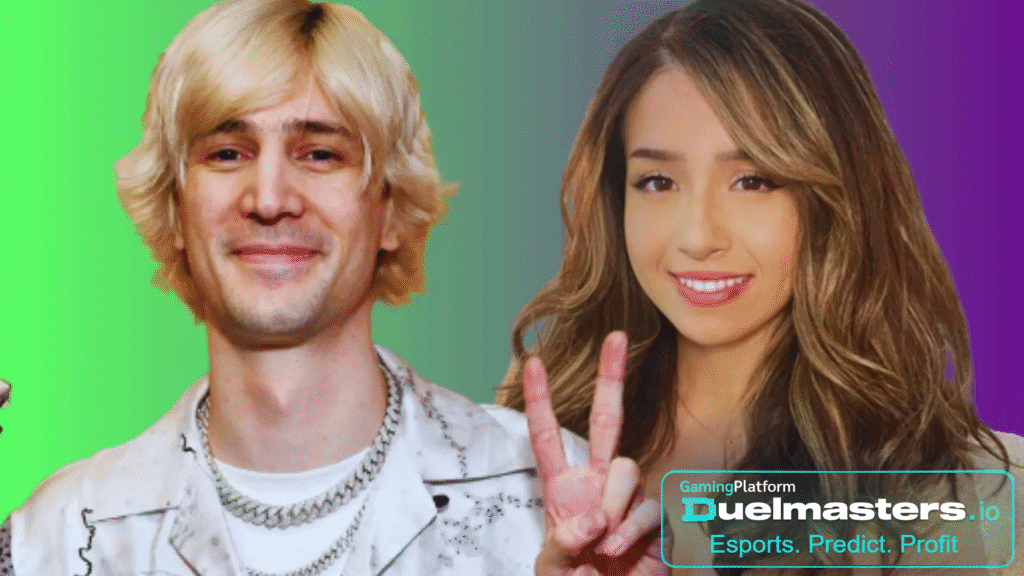
xQc vs Pokimane is once again the main topic across Twitch and social media as two of the biggest streamers clash over whether “drama content” is hurting or helping modern streaming. Their latest disagreement comes right in the middle of the 2025 Streamer Awards conversation and has turned a long-running rivalry into a wider debate about what real success on Twitch should look like.
At the core of the argument is a simple question: are top creators successful because of their gameplay and personality, or because drama, callouts, and clip-farming now dominate the streaming ecosystem?
Article content:
- How The xQc Vs Pokimane Rivalry Reached This Point
- What Pokimane Said And How xQc Responded
- How Other Streamers And Viewers See The Drama
- Why The Streamer Awards Make This Debate Louder
- What This Means For The Wider Streaming And Esports Scene
- Duelmasters: When Bets Focus On Streamers’ Games, Not Their Drama
- Conclusion: What The Debate Really Shows
How The xQc Vs Pokimane Rivalry Reached This Point
Both xQc and Pokimane have been at the top of live streaming for years. xQc built his career on high-energy variety streaming, from Overwatch and GTA RP to reaction and “Just Chatting” content. Pokimane became one of the most recognizable faces of Twitch through League of Legends, full-cam gaming, and later more lifestyle and talk-focused streams.
Their paths crossed many times. They argued about gambling streams when xQc took a massive Kick deal. Pokimane questioned the ethics of gambling and sponsor choices. xQc replied that audiences knew who he was and that creators should be honest about what they stream. Over time, this tension turned into a pattern: every time one of them talked about the “state of streaming,” the other ended up in the conversation.
The current round started when Pokimane posted that she misses the days when streaming was mostly about games and not constant drama baiting and clip farming. Her message resonated with viewers who feel exhausted by endless feuds and callout clips.
Duelmasters – The Ultimate Platform for Streamer Betting and Esports Duels
What Pokimane Said And How xQc Responded
In her recent comments, Pokimane described modern streaming as too focused on drama. She said she preferred an earlier era where playing games on stream and building community were at the center, instead of chasing viral beefs and reaction clips. Many fans interpreted this as a criticism of the current “content meta,” where conflicts often drive the most views.
xQc responded both on stream and in follow-up coverage. He argued that:
- viewers already know where he stands on most topics and are not being “tricked” by drama,
- the audience itself chooses what to watch, and drama content only exists at scale because people click it,
- creators like Pokimane also benefited from personality-first and drama-adjacent content in the past, especially during peak “Just Chatting” and full-cam eras.
For xQc, the debate is less about morals and more about market reality. If viewers prefer reactive, personality-driven content, then calling it “bad” after years of growth looks inconsistent. For Pokimane, the concern is cultural: she worries that the platform is drifting too far from gameplay and creativity toward endless interpersonal conflict.
How Other Streamers And Viewers See The Drama
The latest xQc vs Pokimane flare-up has pulled in other streamers. Asmongold, for example, pointed out that “drama streams” did not appear from nowhere. He suggested that several big creators, including Pokimane, helped normalize personality-driven content that blurred the line between gaming and reality TV. Now that the formula has fully taken over, it is difficult to separate who started what.
Among viewers, there are a few clear camps:
- Some long-time fans say they genuinely miss streams centered on gameplay, ranked climbs, and learning new titles.
- Others openly admit they enjoy drama content as entertainment and see it as a natural evolution of live media.
- A third group focuses on hypocrisy, arguing that many creators criticizing drama now gladly used it when it helped them grow.
This mix of opinions shows that the issue is not only about two people arguing. It is about how the audience sees the future of live streaming.
Duelmasters – Watch Streamers, Predict Results, and Win Real Rewards Instantly
Why The Streamer Awards Make This Debate Louder
The timing of the conflict matters. The 2025 Streamer Awards will be held on 6 December 2025 at the Wiltern Theatre in Los Angeles, which corresponds to the early hours of 7 December.
During awards season, the community is already discussing:
- who deserves nominations,
- how much drama and controversy should count against a creator,
- and whether awards should reward raw numbers or also factor in culture and behavior.
In that context, the xQc vs Pokimane debate feels like a case study. If drama content brings the highest viewership but also the most backlash, how should awards, sponsors, and platforms respond? Do they follow the numbers or try to guide the culture in a different direction?
For organizers, there is a balance to strike. They need nominees who attract attention and viewers, but they also want events to feel positive, aspirational, and brand-safe. The more public drama dominates the streaming news cycle, the harder that balance becomes.
What This Means For The Wider Streaming And Esports Scene
Beyond individual creators, the current fight highlights structural questions for Twitch, YouTube, and Kick. Platforms have to decide what kinds of streams they want to showcase on front pages and recommendation feeds. If they amplify drama-heavy streams, they might gain short-term engagement but risk long-term fatigue and toxicity. If they push more gameplay and educational content, they may face slower growth but a healthier environment.
From an esports perspective, drama can help drive interest in players and teams, but it also carries risk. Sponsors and tournament organizers often worry that constant feuds will overshadow competitive achievements. They want storylines, but they also want stability.
In this sense, the xQc vs Pokimane debate is not only a personal feud. It is a mirror of how the audience, platforms, and brands are negotiating the future of streaming culture.
Duelmasters – Real-Money Esports Betting on Streamers
Duelmasters: When Bets Focus On Streamers’ Games, Not Their Drama
While personalities argue about drama and morals, some platforms are trying a different approach to streamer engagement. Duelmasters is one example built around the idea that viewers can interact with streamers by backing their in-game performance, not their social media conflicts.
On Duelmasters, users watch live streams of games like Fortnite or EA SPORTS FC and place real-money bets on what will happen in the match. They might back a streamer to win a specific game, hit a certain number of eliminations, or score a goal before the final whistle. If the streamer reaches the objective, the viewer’s prediction pays out.
This model shifts the attention from drama to measurable performance. Instead of asking, “Who called out whom this week?” viewers ask, “Can this player actually deliver under pressure?” The platform supports staking on streamers’ games with clear conditions and verifiable results, so the tension comes from gameplay itself.
For streamers, that means their value is tied more directly to how well they play and how clearly they communicate goals to their audience. For viewers, it offers a way to engage with live content that feels closer to reading a match, judging form, and testing their own understanding of the game, rather than following endless arguments on X or Reddit.
Conclusion: What The Debate Really Shows
The latest chapter of xQc vs Pokimane is about more than who is “right” in a single argument. It exposes deeper questions about what streaming should reward: steady gameplay and community-building, or high-stakes drama that drives clips and headlines.
As of late November 2025, there is no sign that the discussion is slowing down. Each new clip and reaction adds another layer to the story. Platforms, award shows, sponsors, and viewers will have to decide how much they want drama content to define the future of live streaming — and whether they are ready to support models, like Duelmasters, that tie excitement more directly to what happens in the game rather than what happens in the latest feud.