
 - The Ultimate Platform for Streamer Betting and Esports Duels
Why CS2 Is the Game That Rewards Watching as Much as Playing
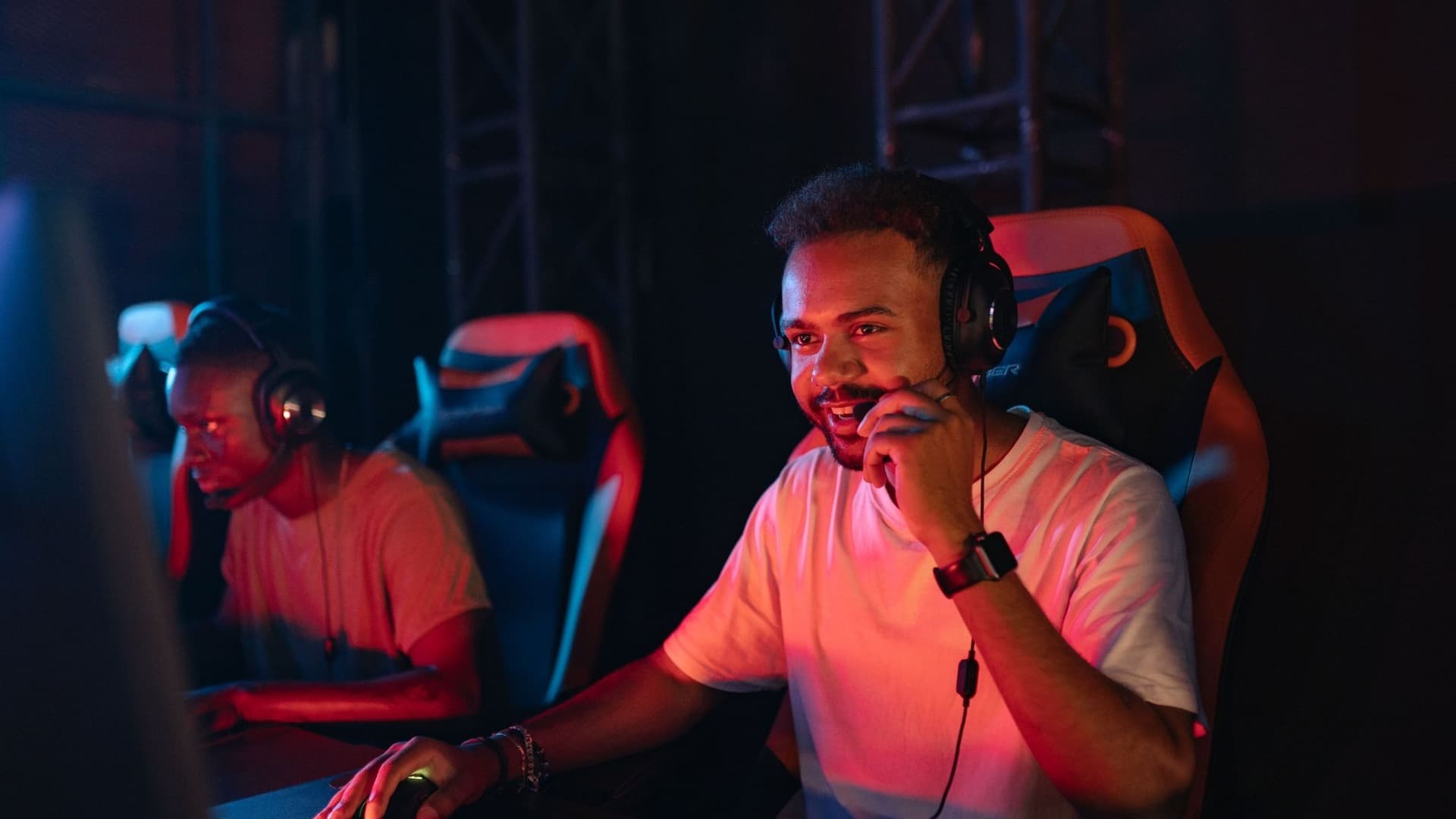
Most games are more fun to play than to watch. CS2 is the rare exception where both experiences are genuinely compelling, and where the viewing experience has developed its own ecosystem, its own stars, and its own reasons to tune in that exist entirely separately from whether you ever open the game yourself. CS2 was one of the most-watched esports on Twitch in 2025. That’s not a viewership number built on a single viral moment or one monster tournament, but the product of a game whose format makes watching it almost as engaging as playing it.
Article content:
- The Format Does the Work
- The Tension Is Real, Even When You’re Watching
- Adding Another Layer Of Involvement
- Co-Streaming Has Built a Second Layer of Community
- Skill Expression Makes Every Level Watchable
The Format Does the Work
The reason CS2 translates so well to a streaming context starts with its structure. A round lasts between 90 seconds and two minutes. Every round has a clear beginning, middle, and end – the buy phase, the execution or defense, the resolution. There’s no waiting for something to happen. Things are always happening, and each thing that happens has immediate, visible consequences.
The economy system adds a layer that rewards attentive viewers. When a team loses consecutive rounds, their buy power compounds downward in predictable ways – and the moment a forced buy or eco round succeeds against a full-buy opponent is one of the most satisfying momentum swings in competitive gaming to witness. You don’t need to play CS2 to appreciate what just happened. The format tells you. The streamer’s reaction confirms it.
This structure also means that no point in a CS2 stream is naturally expendable. A quiet match in League of Legends can have ten minutes where relatively little of consequence occurs. In CS2, every round is a contained unit with stakes that feed into the broader match. The viewer is never waiting for the game to start again.
Duelmasters – The Ultimate Platform for Streamer Betting and Esports Duels
The Tension Is Real, Even When You’re Watching
CS2’s design creates a specific kind of psychological pressure that viewers feel alongside the player. The information asymmetry – not knowing where opponents are, having to infer from sound and timing – produces genuine tension that builds through a round and releases on impact. That’s present in every match at every level, which means streamers at all skill levels can create compelling content simply by playing the game and reacting honestly to it.
The moment where the threat becomes real – where someone appears from an unexpected angle, and the player’s IRL response is as unfiltered as the in-game one – is exactly the kind of content CS2 produces consistently and that almost no other FPS replicates at the same frequency. The game’s tension doesn’t stay behind the screen. It spills out, and audiences are there to share it.
Duelmasters – Watch Streamers, Predict Results, and Win Real Rewards Instantly
Adding Another Layer Of Involvement
The same qualities that make CS2 compelling to watch, like a legible format, round-by-round stakes, visible cause-and-effect between decisions and outcomes, are the qualities that make it one of the most interesting esports to follow analytically. Viewers who understand the economy system, the map tendencies of specific teams, and how veto choices shape the strategic landscape of a series are engaging with the game at a level where their knowledge has tangible application.
CS2 betting markets reflect exactly this dynamic with live in-play odds that update round by round, map-specific lines, and match winner markets across the full competitive calendar from Valve Majors to regional tournament play. The round-by-round structure that makes CS2 streaming so watchable is the same structure that makes live betting genuinely reactive – each round outcome shifts the market, and a viewer who can read what’s happening in real time has the same informational advantage in the betting market that a skilled co-streamer has in building an analytical narrative around a match.
The watching and the betting aren’t separate activities that happen to share a game. They’re two expressions of the same engagement with a format designed to reward close attention.
Duelmasters – Real-Money Esports Betting on Streamers
Co-Streaming Has Built a Second Layer of Community
One of the more structurally interesting developments in CS2’s streaming ecosystem is how co-streaming has become a primary viewing mode for a large portion of the audience. Rather than watching official broadcasts directly, viewers follow their preferred streamers – personalities who react to the same matches in real time, provide their own analysis, and create a social layer around the event that the official broadcast can’t replicate.
This co-streaming layer matters because it means that a single CS2 Major can generate viewership across dozens of simultaneous streams, each serving a different regional or personality-driven audience. The competitive event is the content engine. The streamer community is the distribution network. Both parts of that arrangement are why CS2’s viewership has continued to grow while other esports have seen their streaming numbers decline.
Skill Expression Makes Every Level Watchable
Part of what makes CS2 streaming sustainable across all skill levels, from casual viewers watching friends to hardcore fans watching elite professionals, is that the game’s skill expression is legible regardless of the viewer’s own experience level. A perfectly executed smoke into a site, a crossfire that catches an opponent mid-step, a clutch 1v3 in a post-plant situation – these moments read as impressive whether you have 50 hours in the game or 5,000.
This is why CS2 content travels so well off-platform. Clips of highlight rounds circulate on social media to audiences who have never opened the game, and the reaction they generate is genuine because the skill being displayed is obvious from the footage itself. Games where highlight moments require deep context to appreciate have a ceiling on how far their content can travel. CS2 doesn’t have that problem.