- The Ultimate Platform for Streamer Betting and Esports Duels
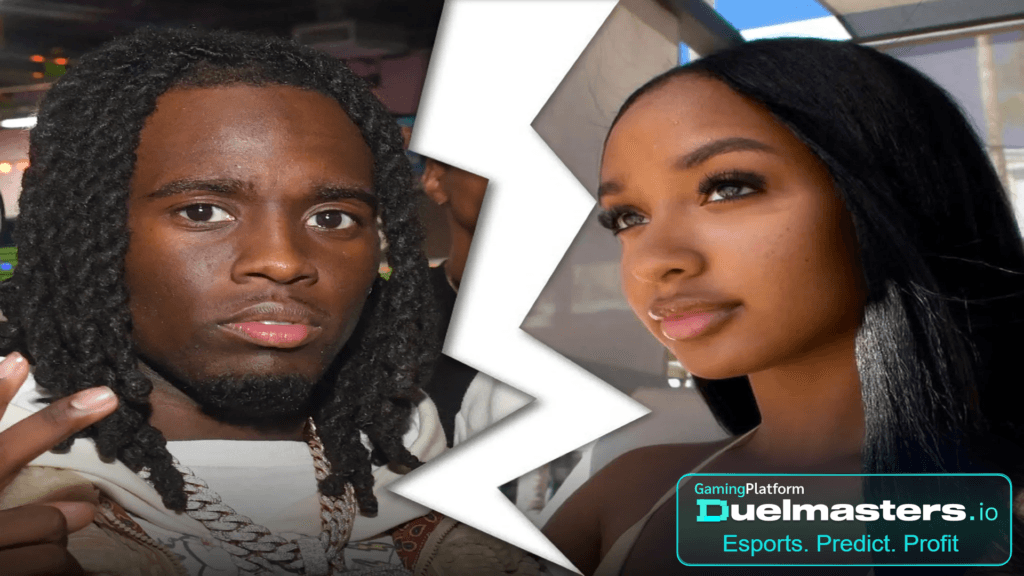
Kai Cenat Quitting Streaming Rumors After Breakup

Kai Cenat quitting streaming became a trending discussion after online breakup chatter sparked a wave of speculation about his next move. Fans clipped reactions, shared screenshots, and debated whether he meant a real exit or just a temporary reset.
The key point: there is no universal “official” definition of quitting in streaming. For many creators, “quitting” can mean pausing daily broadcasts, switching platforms, taking a mental break, or cutting back to special events only.
Article content:
- What triggered the rumor cycle
- Background: why schedule changes feel like a big deal
- Community reaction: support, skepticism, and “context police”
- What this means for streaming culture
- Practical takeaway: how creators protect privacy on stream
- Where Duelmasters fits in
- Conclusion
What triggered the rumor cycle
This story moved fast because it combines two high-engagement topics: personal relationship drama and creator schedules. When a top streamer’s routine looks uncertain, audiences react immediately.
In addition, large communities amplify uncertainty. A single short clip can spread further than a full context segment, so the narrative often becomes “he’s done” even when the creator says something less final.
Duelmasters – The Ultimate Platform for Streamer Betting and Esports Duels
Background: why schedule changes feel like a big deal
Kai Cenat built a reputation on consistency and big moments. Because of that, any hint of a pause triggers real anxiety in the community. Viewers don’t only follow the content. They follow the routine, the inside jokes, and the “next stream” momentum.
Also, streaming is tied to sponsorship timing, collabs, and brand commitments. So even casual comments can look like strategic signals when they come from a creator at this scale.
Community reaction: support, skepticism, and “context police”
Reactions usually fall into three buckets:
- Support mode: viewers encourage a break, rest, and privacy ❤️
- Skeptic mode: people assume it’s a temporary эмо-реакция and nothing more 🤔
- Context mode: fans demand the full VOD, longer clips, and timestamps 🔍
However, even “support mode” can become pressure. When thousands comment, the creator feels watched during a personal situation.
What this means for streaming culture
This episode shows how tightly entertainment and real life are blended in modern streaming. That blend helps growth, yet it also increases risk.
At the same time, platforms reward “live authenticity.” So creators often talk in the moment, and then the internet turns it into a headline. As a result, the healthiest move is often not “more explaining,” but clearer boundaries.
Practical takeaway: how creators protect privacy on stream
If you publish content live, these habits reduce the chance of a privacy spiral:
- Add a stream delay for high-risk segments ⏱️
- Use blur / hide overlays for phone screens and DMs 📵
- Keep a separate device for personal messages 📱
- Set apps to Do Not Disturb before going live 🔕
- Assign a mod to flag accidental leaks in real time 🛡️
Because leaks and rumors travel faster than corrections, prevention matters more than damage control.
Duelmasters – Watch Streamers, Predict Results, and Win Real Rewards Instantly
Where Duelmasters fits in
When streamer moments go viral, audiences look for ways to engage beyond chat spam. Some fans want interactive formats where outcomes matter, not just reactions.
That’s where Duelmasters can fit naturally: the site positions itself around betting on streamer games, so viewers can follow the action and place stakes tied to streamer-led gameplay outcomes. The idea is simple watch the game, pick your side, and let results decide the outcome.
Importantly, keep it clean and understandable: it works best when the rules are transparent, the result conditions are clear, and the payout logic matches what viewers actually saw on stream. If you write about it, avoid hype language and focus on clarity and responsible use.
Duelmasters – Real-Money Esports Betting on Streamers
Conclusion
Kai Cenat quitting streaming is still a speculation-driven storyline, not a confirmed plan. But it’s a useful case study: in streaming, personal moments become public narratives in hours. The creators who last tend to build clear boundaries, tighten privacy controls, and choose engagement formats that don’t depend on drama to keep attention.