
 - The Ultimate Platform for Streamer Betting and Esports Duels
How to Improve Aim in Fortnite
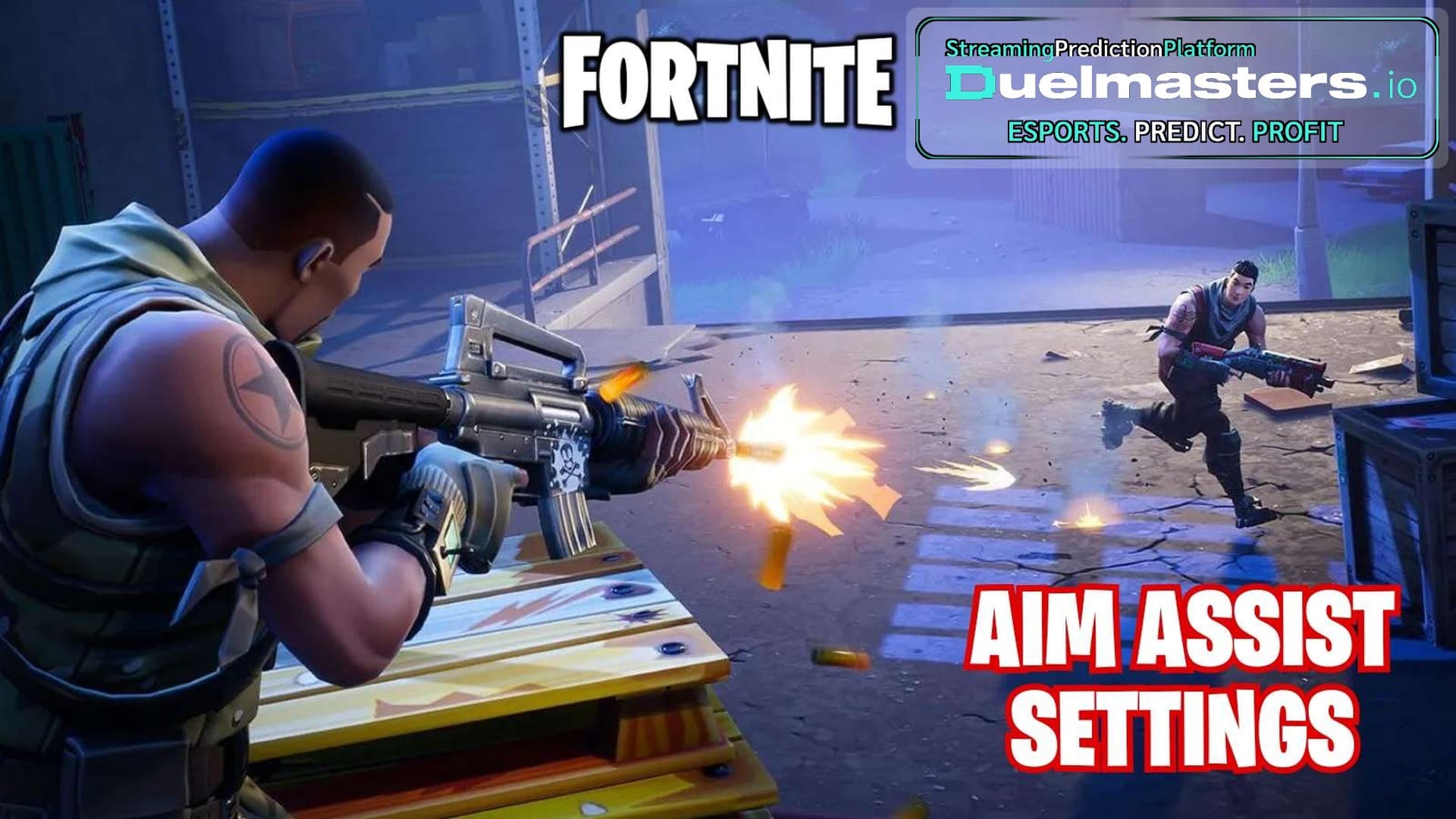
Good aim in Fortnite is not only about fast reactions. Fortnite aiming is a mix of crosshair placement, sensitivity, movement, weapon control, fight selection, and calm decision-making under pressure. A player with average raw aim can still win more fights by keeping the crosshair in the right place, choosing the right weapon for the range, and avoiding panic shots. That is why learning How to Improve Aim in Fortnite is less about one magic setting and more about building a repeatable routine.
Fortnite is also different from many shooters because aiming happens while players are building, editing, jumping, sliding, sprinting, rotating, and switching weapons. You are not just tracking a target in an open field. You may be shooting through a reset edit, flicking after a shotgun peek, tracking a player with an SMG, or hitting controlled AR shots at medium range. To get better aim in Fortnite, you need to train for the situations that actually happen in matches.
Article content:
- Start With Crosshair Placement
- Fix Your Sensitivity Before You Grind
- Practice Shotgun Aim Separately
- Train Tracking for SMGs and ARs
- Use Aim Training Maps the Right Way
- Improve Movement to Improve Aim
- Do Not Ignore FPS, Ping, and Input Delay
- Review Your Misses
- Build a Simple Aim Routine
- FAQ
Start With Crosshair Placement
The fastest way to get better aim in Fortnite is to stop aiming from the wrong place. Many players keep their crosshair too low, too far from corners, or too centered on empty space. Then, when an enemy appears, they have to make a large correction before shooting.
Good crosshair placement means keeping your aim where an enemy is likely to appear. When you move through a building, your crosshair should sit near head or upper-body height. When you hold an edit, your crosshair should already be aimed at the angle you plan to shoot through. When you push a box, your crosshair should be ready for the most likely peek.
This matters more than most players think. If your crosshair is already close to the target, you do not need a perfect flick. You only need a small adjustment. Better aim in Fortnite often comes from needing less correction, not from moving your mouse or stick faster.
Duelmasters – The Ultimate Platform for Streamer Betting and Esports Duels
Fix Your Sensitivity Before You Grind
Aiming practice becomes much harder if your sensitivity is too high or too low. High sensitivity may feel fast, but it can make shotgun shots inconsistent and AR tracking shaky. Low sensitivity can improve control, but if it is too slow, you may struggle to turn, build, edit, or react to close-range movement.
The best sensitivity is the one that lets you track smoothly and still turn fast enough for Fortnite’s movement-heavy fights. Do not copy a pro player blindly. Their settings are built around their hand size, mousepad space, controller habits, FPS, monitor, and years of muscle memory.
If you are wondering how to improve aim in Fortnite settings, start with small changes. Lower or raise sensitivity by a small amount, then test it for several matches or aim drills. Do not change everything every day. Your aim needs consistency to improve.
Controller players should also check aim assist settings, advanced sensitivity options, dead zones, and response curves. Keyboard-and-mouse players should check DPI, in-game sensitivity, ADS sensitivity, and whether their mousepad gives enough room for controlled tracking.
Duelmasters – Watch Streamers, Predict Results, and Win Real Rewards Instantly
Practice Shotgun Aim Separately
Shotgun aim is one of the most important skills in Fortnite. A good shotgun shot can decide a fight instantly, especially after an edit, a right-hand peek, or a box-fight trade. But shotgun aim is not the same as AR aim.
Shotguns reward timing and placement. You do not need to hold your crosshair on the enemy for a long time. You need to place the crosshair correctly at the moment you shoot. This means patience matters. Many missed shotgun shots happen because players panic-fire before the crosshair reaches the target.
To improve shotgun aim, practice edit shots, jump shots, right-hand peeks, and close-range flicks. Focus on clean timing. Open the edit, place the crosshair, shoot, reset, and repeat. The goal is not to shoot as fast as possible. The goal is to shoot only when the shot is actually lined up.
Duelmasters – Real-Money Esports Betting on Streamers
Train Tracking for SMGs and ARs
SMG and assault rifle aim require tracking. Instead of landing one big shot, you need to keep your crosshair on a moving target while controlling recoil, bloom, movement, and distance. This is where many players struggle because they overcorrect.
If a player runs left, do not swing your crosshair too far left. Track smoothly. If they jump, do not flick wildly upward unless needed. Try to follow the center of the body. Consistent body shots often win more fights than constantly chasing perfect headshots and missing half the magazine.
One of the best Fortnite aiming tips is to separate tracking practice from shotgun practice. Spend a few minutes tracking moving bots, gliding targets, or players in creative maps. Then spend a few minutes on close-range shotgun scenarios. Fortnite uses both skills, so your training should include both.
Use Aim Training Maps the Right Way
Creative and UEFN aim maps can help, but only if you use them with a purpose. Running random drills for an hour is less useful than doing focused practice for 15 minutes. Choose a few drills that match real Fortnite fights: close-range shotgun edits, SMG tracking, AR beams, movement tracking, and box-fight peeks.
Do not only practice easy targets. If the targets do not move like real players, your improvement may not transfer well into matches. Good drills should make you aim while moving, jumping, strafing, editing, or reacting to target changes.
If you want to know how to aim better in Fortnite, a simple routine works well: five minutes of close-range shotgun shots, five minutes of tracking, five minutes of edit-shot practice, then real matches. The point is to warm up your aim and then immediately apply it in real fights.
Improve Movement to Improve Aim
Your movement affects your aim more than you think. If you jump too much, crouch randomly, or strafe without control, you make your own shots harder. Good players move in ways that make them harder to hit without ruining their own accuracy.
Practice controlled strafing. Move left and right while keeping your crosshair stable. Stop wide-peeking when you do not need to. Use right-hand peeks to expose less of your body. When using a shotgun, try to time your shot when your movement is predictable enough for your crosshair to stay clean.
This is one of the hidden answers to how to get good aim in Fortnite: stop making aiming harder for yourself. Smooth movement creates smoother aim.
Do Not Ignore FPS, Ping, and Input Delay
Aim is not only mechanical. Your setup matters. Low FPS, stutters, high ping, and input delay can make aiming feel inconsistent even if your mechanics are improving. If your game freezes during fights or your shots feel delayed, aim training alone will not fix the problem.
Use stable graphics settings, avoid unnecessary background apps, keep your drivers updated, and choose a frame rate your system can hold consistently. A stable 120 FPS can feel better than unstable spikes between 80 and 180. On controller, input delay can also make small adjustments feel late or floaty.
Ping matters too. High latency can make close-range fights feel strange because opponents may appear slightly out of sync. You can still improve with imperfect ping, but you should understand when missed shots are mechanical and when the game simply feels delayed.
Review Your Misses
Most players do not learn from missed shots because they instantly queue another match. Instead, take a few seconds after a fight and ask what actually happened. Did you overshoot? Undershoot? Shoot too early? Jump while firing? Lose the target behind a build? Hold the wrong angle? Use the wrong weapon?
This kind of review is boring but powerful. If you miss for the same reason ten times, that is your next training focus. Aim improves faster when you fix specific mistakes instead of vaguely “practicing more.”
Build a Simple Aim Routine
The best routine is one you can repeat. You do not need two hours of aim training every day. A short, consistent warm-up is enough for many players.
Start with five minutes of tracking. Then do five minutes of shotgun/edit shots. Then play realistic 1v1s or box fights. After that, go into Battle Royale or Ranked. The goal is to connect practice to real gameplay as quickly as possible.
If you want to know how to get better aim in Fortnite, the answer is consistency. Keep your settings stable, practice real scenarios, review mistakes, and stop changing your sensitivity every time you have a bad match.
FAQ
What is the fastest way to improve aim in Fortnite?
The fastest way is to fix crosshair placement, use stable sensitivity, and practice real fight scenarios like shotgun edits, SMG tracking, and right-hand peeks.
How do I aim better in Fortnite on controller?
Use comfortable sensitivity, check aim assist and advanced controller options, lower dead zones if your stick allows it, and practice smooth tracking instead of forcing big flicks.
How do I aim better in Fortnite on keyboard and mouse?
Use a consistent DPI and sensitivity, make sure you have enough mousepad space, practice controlled tracking, and keep your crosshair near likely enemy positions.
What are the best Fortnite aiming tips for beginners?
Keep your crosshair at chest or head height, do not panic shoot, train shotgun and tracking separately, and avoid changing settings too often.
Should I use high or low sensitivity?
Use a sensitivity that lets you track smoothly and still turn fast enough in close fights. Extremely high sensitivity often makes aim inconsistent, while extremely low sensitivity can make building and reacting harder.
Can aim training maps really help?
Yes, but only if the drills match real Fortnite fights. Practice moving targets, edit shots, close-range peeks, and tracking instead of only shooting stationary targets.
Why does my aim feel bad even after practicing?
Your FPS, ping, input delay, fatigue, or constantly changing settings may be hurting consistency. Mechanical practice works best when your setup feels stable.
How long does it take to get good aim in Fortnite?
You can feel improvement in a few days with focused practice, but strong aim usually comes from weeks or months of consistent routines and real match experience.