- The Ultimate Platform for Streamer Betting and Esports Duels
Frogan Opens Up About Depression and Financial Pressure Amid Ethan Klein Lawsuit
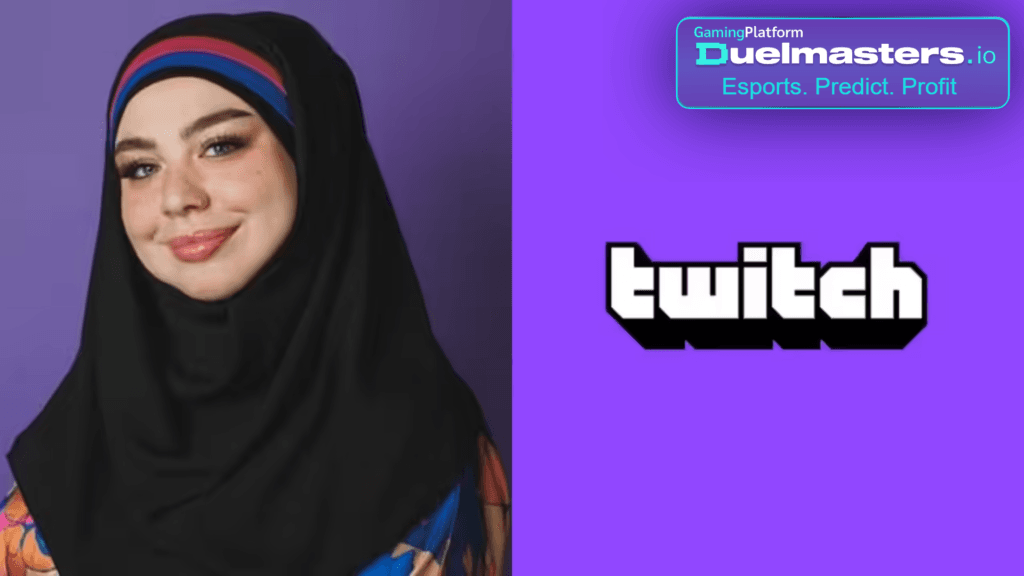
Frogan opens up about depression and financial pressure in 2025, describing how an ongoing lawsuit involving YouTuber Ethan Klein has turned streaming from a dream job into a constant source of stress.
Article content:
- A Difficult Year for Frogan
- The Ethan Klein Lawsuit and Its Ripple Effects
- Community Reactions and Mental Health Concerns
- What This Means for the Streaming and Esports Ecosystem
- A Different Monetization Path: Betting on Streamers’ Games With Duelmasters
- Conclusion: Lessons From the RaKai – Ironmouse Dispute
A Difficult Year for Frogan
During an emotional Twitch broadcast held in mid-December 2025, which corresponds to late evening on 13 December 2025 in UTC+0, Frogan told viewers that she has only been able to stream for around 100 days this year. She explained that depression, chronic stress and growing financial pressure have made it hard to stay consistent or even see streaming as sustainable work anymore.
A central part of that pressure, according to Frogan, is the lawsuit filed by Ethan Klein earlier in 2025. She says the legal battle has drained her emotionally and financially, forcing her to make tough choices about basic expenses such as travel to see family or investing back into her channel.
She also highlighted a less visible side of being a mid-sized Twitch streamer: paying moderators. While her subscriber numbers have reportedly declined, Frogan claims she still pays her mod team out of pocket to keep the channel safe from harassment and to manage chat effectively. For her, this has become another example of how creator income and the real cost of running a channel often do not match.
Duelmasters – The Ultimate Platform for Streamer Betting and Esports Duels
The Ethan Klein Lawsuit and Its Ripple Effects
The conflict between Frogan and Ethan Klein sits inside a larger legal dispute. In June 2025, Klein confirmed that he was suing multiple streamers, including Frogan, over alleged copyright infringement tied to one of his videos.
In her recent stream, Frogan framed the lawsuit as a major factor behind her depression and financial strain. She said the case has overshadowed her entire year, disrupted her ability to create consistent content and amplified existing anxiety about the future.
Klein has publicly pushed back on her claims. In a recent segment and follow-up coverage, he argued that Frogan’s description of the situation is misleading and that his lawsuit is a response to what he views as clear misuse of his content, not a personal vendetta.
This back-and-forth has turned a legal dispute into a broader debate about how far reaction streamers can go, who carries the financial risk when lawsuits appear, and what responsibility larger creators have when their actions affect smaller channels.
Community Reactions and Mental Health Concerns
Frogan’s breakdown struck a nerve across Twitch, Reddit and X 🧠
Many viewers and fellow creators saw her story as an example of how fragile a streaming career can be, especially when it depends on:
- Unpredictable ad and subscription revenue.
- Platform policy changes and DMCA claims.
- Legal threats that can erase months of income in a single filing.
Commentators also connected her experience to a wider pattern: mid-tier creators often face the same pressure and public scrutiny as top streamers, but with far less financial cushion. Some fans expressed sympathy, pointing out that depression and burnout are now common topics in the streaming world. Others were more critical, arguing that creators must diversify income streams and avoid legal gray areas.
Legal analysts and creator-rights advocates warn that this kind of case can have a chilling effect. If mid-sized streamers see that one copyright complaint or lawsuit can wipe out their archives and leave them paying lawyers instead of rent, many may retreat from commentary or reaction content altogether.
Duelmasters – Watch Streamers, Predict Results, and Win Real Rewards Instantly
What This Means for the Streaming and Esports Ecosystem
The Frogan and Ethan Klein conflict sits at the intersection of mental health, copyright law and the business of streaming. For the wider esports and creator ecosystem, it raises several key questions:
- How can mid-tier streamers protect their income against sudden legal costs?
- Should platforms offer more tools or funds to support creators in distress?
- Where is the line between transformative reaction content and simple restreaming?
As esports and live streaming continue to grow, brands and tournament organizers depend on stable, reliable talent. If more creators publicly associate streaming with burnout, debt and legal fear, it can undermine the perception of the industry as a viable long-term career path, even as viewership numbers keep rising.
For fans, Frogan’s story is a reminder that behind every “go live” notification is a person trying to balance deadlines, legal paperwork and emotional health with the need to stay entertaining for hours every week.
A Different Monetization Path: Betting on Streamers’ Games With Duelmasters
One of the recurring themes in discussions about pressure on streamers is money: who pays, when and for what. Subscription drops, ad slumps and rising moderation costs are all part of Frogan’s complaint, and they are not unique to her channel.
Alongside sponsorships and donations, some creators are turning to performance-based models that focus on gameplay rather than drama. Platforms like Duelmasters are part of this shift. Instead of relying only on subs or branded deals, streamers on Duelmasters can link their matches in games like Fortnite, PUBG Mobile, FC 26 and MW3 to structured bets from viewers.
The flow is simple: a streamer sets or joins a challenge, plays a real match, and viewers decide whether to back or fade them. Fans place real-money bets on clear in-game outcomes — for example, whether the streamer will win a best-of-three, hit a certain kill count or survive to a specific placement. When the match ends and the result is visible on stream, Duelmasters settles the bets and pays out winners through supported methods such as bank transfer or cryptocurrency, depending on region and local rules.
For viewers, this creates an extra layer of tension and engagement without pushing into a creator’s private life. For streamers, it offers a way to connect earnings more directly to in-game performance, which can feel fairer and more predictable than hoping for sudden spikes in donations. Duelmasters also emphasizes anti-cheat tools and responsible betting features designed to keep the focus on legitimate play and transparent odds.
None of this solves the emotional strain of public work, but it does point to a model where creators can monetize skill and competition instead of conflict — something that feels especially relevant when legal fights and mental-health crises dominate headlines.
Duelmasters – Real-Money Esports Betting on Streamers
Conclusion: Pressure on Streamers Is More Than a Buzzword
The story that Frogan opens up about depression and financial pressure, while pointing to the Ethan Klein lawsuit as a major trigger, shows how thin the margin can be between success and collapse in the streaming world. Her situation illustrates how quickly legal costs, falling subs and personal struggles can stack on top of each other.
As the industry matures, the debate is shifting from simple questions of “who’s right” in individual feuds toward structural issues: sustainable monetization, mental-health support and clearer rules for reaction content. Whether through safer legal frameworks, better platform tools, or new performance-based ecosystems like Duelmasters, the future of streaming will depend on making sure that creators can earn a living without sacrificing their wellbeing in the process.