
 - The Ultimate Platform for Streamer Betting and Esports Duels
FC 27 Player Growth Guide: Career Mode, FUT Evolutions, and Player Potential
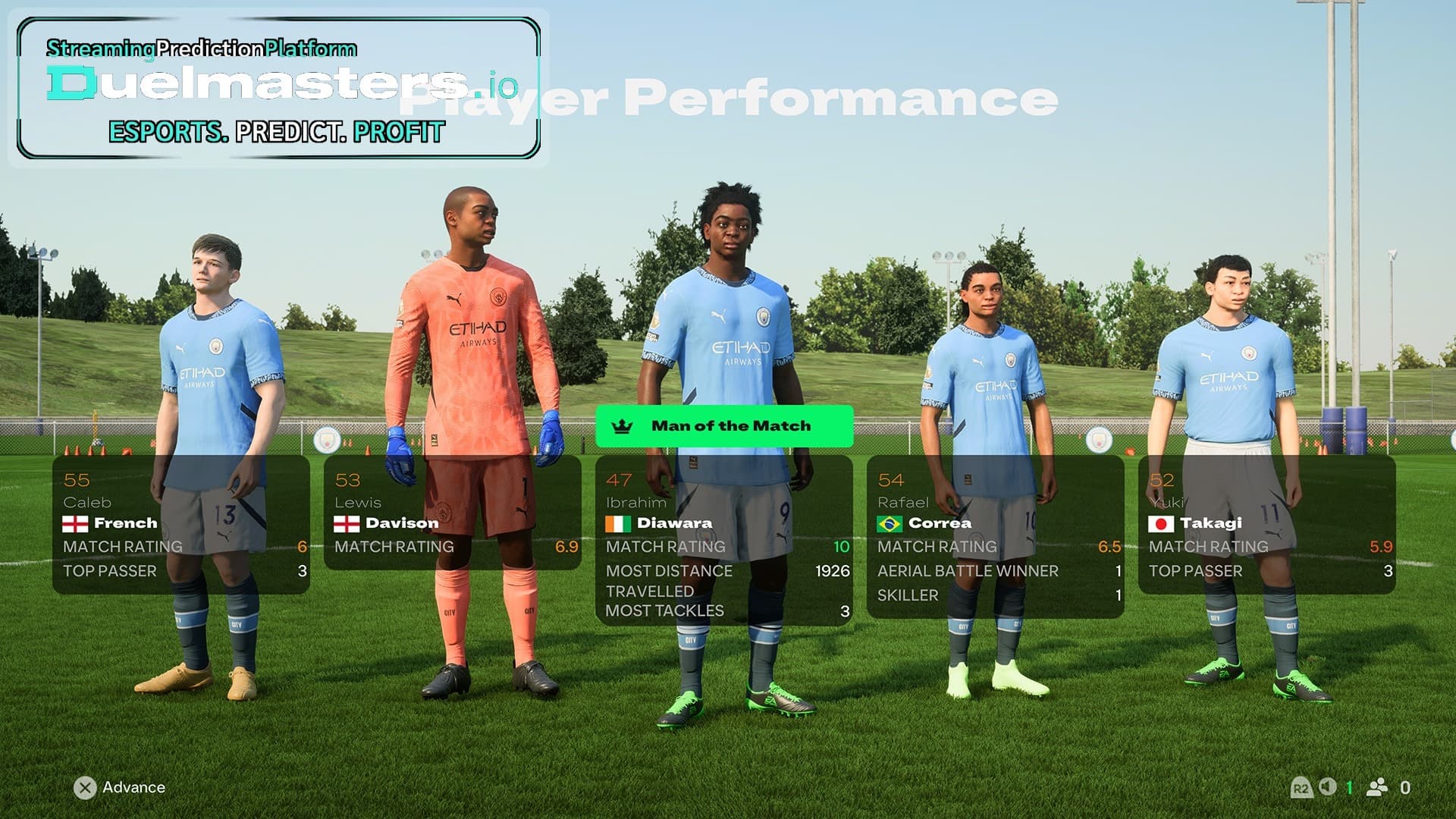
FC 27 player growth is one of the biggest progression changes in EA Sports FC 27. In older games, development often felt predictable: young players improved along a fairly familiar curve, high-potential wonderkids usually became stars, and older players declined in ways that were easy to expect. FC 27 changes that formula by making growth more dynamic, more performance-based, and more connected to how a player is actually used.
The most important thing to understand is that player growth works differently in Career Mode and Ultimate Team. In Career Mode, development is built around Dynamic OVR, Growth Profiles, Dynamic Potential, form, morale, fitness, injuries, playing time, scouting, and coaching. In FUT, EA FC 27 FUT Player Growth is driven by Evolutions, Evolution Pathways, Training Camp Evolutions, PlayStyles Lab, and live campaign upgrades.
That means there is no single growth formula for every mode. EA Sports FC 27 player growth is now a broader system: Career Mode players develop through seasons and performance, while Ultimate Team items grow through upgrade programs and card-specific rules.
Article content:
- How Player Growth Works in FC 27 Career Mode
- Growth Profiles in FC 27
- EA FC 27 Player Potential Is More Dynamic
- Coaching and Potential Assessment
- How to Develop Young Players
- How Older Players Decline
- FC 27 Player Growth in Ultimate Team
- Evolution Chain Preview and Planning
- Final Thoughts
- FAQ
How Player Growth Works in FC 27 Career Mode
Career Mode has received the biggest structural change. Dynamic OVR now makes a player’s displayed rating react to what is happening during the season. Form, morale, match fitness, injuries, playing time, and competition for places can all influence the number you see.
This is a major shift because Overall Rating is no longer just a static snapshot of ability. A young player in strong form can temporarily play above his base level. A veteran going through a poor run, recovering from injury, or losing minutes can drop below what his reputation suggests. The game is trying to make ratings feel alive rather than frozen.
For managers, this makes squad decisions more important. You can no longer judge a player only by his original rating or potential tag. You need to look at current form, confidence, sharpness, and how he fits your team.
Duelmasters – The Ultimate Platform for Streamer Betting and Esports Duels
Growth Profiles in FC 27
Growth Profiles in FC 27 are designed to make career paths less predictable. EA introduced six Growth Profiles that shape how players develop, peak, and decline over time. Instead of every player following the same general age curve, different profiles create different types of careers.
Some players may develop early and hit their peak young. Others may keep improving into their late twenties or early thirties. Some players may hold a high level for many seasons, while others may peak quickly and decline faster.
This matters a lot for long-term saves. Two 19-year-old players with similar ratings may not grow the same way. One might explode quickly and become first-team ready within two seasons. Another might need more time but have a longer development window. A third may look good now but fail to reach the same ceiling if form, minutes, and morale are not managed properly.
Growth Profiles make scouting and squad planning more interesting because the question is no longer only “What is his potential?” The better question is “What kind of career path is he likely to have?”
Duelmasters – Watch Streamers, Predict Results, and Win Real Rewards Instantly
EA FC 27 Player Potential Is More Dynamic
EA FC 27 Player Potential is also less static than before. Strong performances can bring long-term benefits, while extended poor form can slow development momentum. This does not mean every player can become a superstar just because you play well for a few weeks. But it does mean performance and management now matter more.
Dynamic Potential connects match output to long-term progression. If a young player consistently performs above expectations, he may push closer to his ceiling or improve his development trajectory. If he struggles for long periods, lacks game time, or suffers from poor morale, growth can stall.
This also applies to AI-controlled teams in selected deeper simulation leagues, which should make the wider career ecosystem feel more believable. Other clubs can develop players more naturally instead of acting like static databases.
Duelmasters – Real-Money Esports Betting on Streamers
Coaching and Potential Assessment
Coaches no longer directly increase player attributes in the same simple way. Instead, they help assess and predict potential more accurately. Better coaches give better information about where a player might go. Weaker coaches may misread a player’s ceiling.
This changes how managers should think about staff. A coach is not just a hidden boost machine. He is part of your decision-making process. If your staff can better understand player potential, you can make smarter choices about loans, transfers, rotation, and long-term development plans.
Scouting also becomes more meaningful. Reports now provide more information about current form, morale, tactical fit, financial expectations, status, and future growth. That helps managers understand not only who a player is, but also whether he fits the club at that moment.
How to Develop Young Players
The best way to develop players in FC 27 is to treat growth as a full-season project. Minutes matter, but not all minutes are equal. A young player who gets meaningful appearances, performs well, stays fit, and maintains morale will usually be in a better position than one who sits on the bench all year.
Loans can still be useful, especially for players who are not ready for your first team. But loan decisions should be more careful now. A loan should give the player minutes, not just move him out of your squad. If he goes somewhere that does not suit his level or role, the move may not help as much as expected.
Rotation is also important. You do not need to start every prospect every match, but you should give them real opportunities. Cup matches, easier league fixtures, substitute appearances, and tactical roles can all help young players build form.
How Older Players Decline
Older players are also affected by FC 27 player growth changes. Growth Profiles shape not only development but also decline. Some veterans may remain useful longer, especially if their profile supports a longer peak. Others may decline faster once their physical attributes start falling.
Good form can still improve Dynamic OVR in the short term, even for older players. A veteran striker scoring every week may perform above his base level. But that does not necessarily mean his underlying decline curve has disappeared.
For managers, this creates better squad planning. You should not sell every veteran automatically, but you also should not ignore warning signs. Watch form, fitness, role, wages, and replacement options. A declining player can still be valuable if used correctly.
FC 27 Player Growth in Ultimate Team
Ultimate Team has a completely different growth system. FUT players do not naturally develop through age, minutes, or potential. Instead, EA FC 27 FUT Player Growth happens through item-based systems.
Evolutions are the main progression tool. You choose an eligible player, put the card into an Evolution, complete requirements, and unlock permanent upgrades. These upgrades can improve OVR, attributes, PlayStyles, and other item-specific features.
FC 27 adds Evolution Pathways, which means some Evolutions now offer branching choices. Instead of every player following one fixed upgrade route, you may choose whether to improve one area or another. One path might improve dribbling and add a technical PlayStyle, while another might improve defensive awareness and add a defensive PlayStyle.
This makes FUT growth more strategic. You are not just asking which upgrade gives the highest rating. You are deciding what kind of player you want the card to become.
Evolution Chain Preview and Planning
Evolution Chain Preview is another important FC 27 tool. It lets you preview how one Evolution could lead into future Evolutions before locking in your decision. This solves one of the biggest problems from earlier systems: players often upgraded a card and then discovered it no longer qualified for the next Evolution they wanted.
Now, planning is more transparent. You can test possible chains, compare routes, and make better decisions before committing. This is especially useful for club favorites, starter squad cards, or lower-rated players you want to build over time.
Training Camp Evolutions also help lower-rated items begin their upgrade journey. These can take a player out of use for a set time, then return him with permanent improvements. They are useful when you want to grow a card passively rather than complete standard in-match requirements immediately.
Final Thoughts
FC 27 player growth is no longer just about waiting for young players to improve. Career Mode now uses Dynamic OVR, Growth Profiles, Dynamic Potential, morale, form, fitness, scouting, and coaching to make development more realistic. Ultimate Team uses Evolutions, Pathways, chain previews, Training Camp upgrades, PlayStyles Lab, and live items to give FUT players more control over card progression.
The biggest lesson is simple: growth now rewards planning. In Career Mode, you need to manage minutes, morale, performance, and potential. In FUT, you need to choose Evolutions based on role, PlayStyles, future eligibility, and squad needs.
EA Sports FC 27 player growth is deeper because it asks you to think beyond the overall rating.
FAQ
What is FC 27 player growth?
FC 27 player growth refers to how players improve or decline in Career Mode and how Player Items upgrade in Ultimate Team.
What are Growth Profiles in FC 27?
Growth Profiles are Career Mode development types that shape how players grow, peak, and decline over their careers.
How many Growth Profiles are in FC 27?
EA has introduced six Growth Profiles in FC 27 Career Mode.
What is Dynamic OVR?
Dynamic OVR is a Career Mode rating system where a player’s current rating can rise or fall based on form, morale, fitness, injuries, playing time, and competition.
How does EA FC 27 Player Potential work?
Player Potential is more dynamic in FC 27. Strong long-term performance can help development, while poor form or lack of opportunities can slow progress.
Do coaches increase attributes directly?
No. In FC 27 Career Mode, coaches help assess and predict potential rather than directly boosting player attributes.
How does EA FC 27 FUT Player Growth work?
FUT player growth happens through Evolutions, Training Camp Evolutions, PlayStyles Lab, live campaign upgrades, and other item-specific systems.
What are Evolution Pathways?
Evolution Pathways are branching FUT upgrade options that let you shape the same player in different ways.
Can you preview Evolution chains?
Yes. Evolution Chain Preview lets you see how one Evolution could affect eligibility for future Evolutions.
Is player growth the same in Career Mode and Ultimate Team?
No. Career Mode growth is based on player development over seasons, while FUT growth is based on upgrade systems for Player Items.