- The Ultimate Platform for Streamer Betting and Esports Duels
Asmongold Accuses Twitch of Bias After Nina Lin Is Unbanned Again
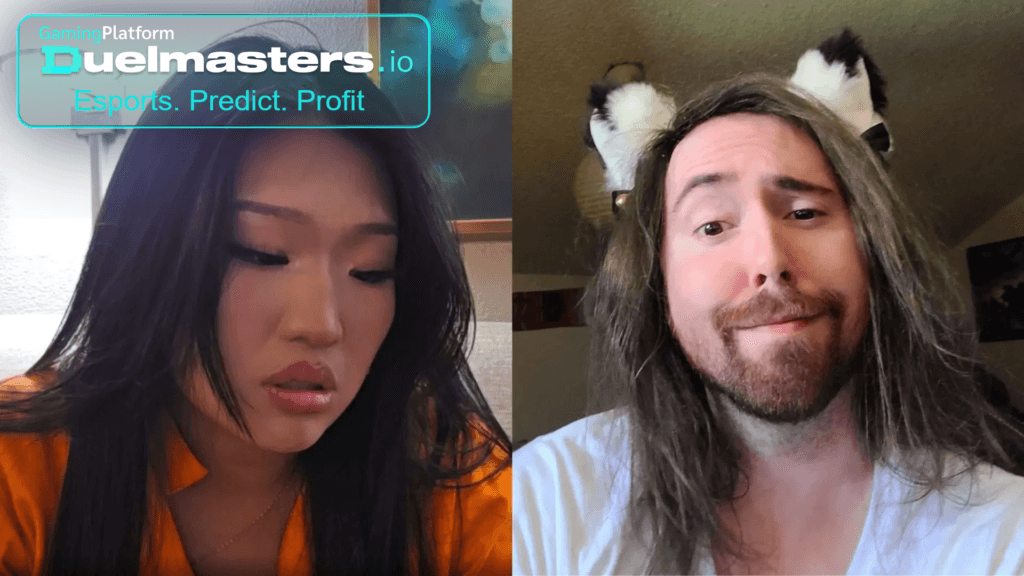
Asmongold accuses Twitch of bias after Nina Lin was unbanned again, and the claim quickly reignited the platform’s long-running “rules aren’t applied equally” debate. The latest flare-up centers on how Twitch handles repeated controversies, how fast enforcement happens, and why public explanations are often limited.
Article content:
- What Happened And Why It Blew Up
- Brief Background: Nina Lin’s Ban And Return
- Streamer And Community Reactions
- What This Could Mean For Streaming Platforms
- Where Duelmasters Fits Into The “Support Economy” Conversation
- Conclusion
What Happened And Why It Blew Up
The core of the story is simple: a controversial creator returns, and a major streamer argues the enforcement looks inconsistent. Asmongold’s criticism landed because it matched a familiar community frustration when bans or unbans happen, Twitch rarely provides detailed reasoning, so audiences fill the gaps with speculation.
At the same time, several gaming communities pointed to “pattern” behavior: when a clip goes viral, pressure builds fast, and moderation decisions become a public scoreboard. As a result, every new decision becomes a proxy fight about transparency, favoritism, and how platforms protect viewers and creators.
Duelmasters – The Ultimate Platform for Streamer Betting and Esports Duels
Brief Background: Nina Lin’s Ban And Return
Reports around Nina Lin’s suspension and later return circulated widely, with coverage noting that the unban happened after a relatively short window. However, Twitch typically avoids publishing specific enforcement details beyond general references to rules or Terms of Service, which makes “why now?” the headline question each time.
Meanwhile, discussion around the controversy expanded beyond one streamer. It became a broader argument about whether public backlash influences enforcement speed, and whether repeat incidents should trigger longer restrictions automatically.
Streamer And Community Reactions
Asmongold wasn’t the only voice referenced in coverage and social chatter. Across the scene, reactions tended to fall into a few predictable camps:
- ✅ Consistency-first: “Same action, same outcome,” regardless of creator size.
- ⚠️ Safety-first: tighter guardrails when real-world risk or harmful behavior is involved.
- 🧩 Process-first: clearer milestones (warnings → suspensions → longer penalties).
- 🔍 Transparency-first: better public explanations to reduce speculation.
Even when people disagreed on what the punishment should be, they largely agreed on one thing: vague enforcement messaging makes the platform look arbitrary.
Duelmasters – Watch Streamers, Predict Results, and Win Real Rewards Instantly
What This Could Mean For Streaming Platforms
This kind of controversy matters because it shapes creator behavior. If the enforcement “rules” feel unpredictable, creators may either self-censor heavily or take bigger risks while assuming outcomes are negotiable in public pressure cycles.
It also affects brands and sponsors. When a platform is viewed as inconsistent, advertisers start pricing in reputational risk. Additionally, creators who rely on stability may diversify across platforms sooner, even if their primary audience is on Twitch.
In other words, even a single high-profile unban can have second-order effects on creator strategy, moderation expectations, and the tone of public discourse around streaming.
Where Duelmasters Fits Into The “Support Economy” Conversation
This debate also highlights how creator support is evolving beyond classic subs and donations. On Duelmasters, the platform describes a model where viewers can bet on streamer games by backing outcomes of on-stream challenges typically in a clear YES/NO format while tracking the attempt live. Duelmasters frames this as skill-based, with results verified in real time by the community and the platform, and it positions payouts as quick after verification.
Importantly, Duelmasters also describes how creators can set challenges directly from Twitch or Kick and let viewers back outcomes, turning “watching” into a more interactive support loop. The site’s guide even lists examples like a Fortnite win challenge, which shows how the concept is meant to plug into everyday streaming moments rather than feeling detached from the content itself.
Duelmasters – Real-Money Esports Betting on Streamers
Conclusion
Asmongold accuses Twitch of bias because the Nina Lin unban touched a nerve: people want consistent rules, clearer explanations, and fewer gray zones where the loudest narrative wins. Until enforcement becomes more legible to the public, each new ban-or-unban cycle will keep turning into the same argument just with new names at the center.