- The Ultimate Platform for Streamer Betting and Esports Duels
Emiru QSMP 2 Backlash After ICE Clips Resurface

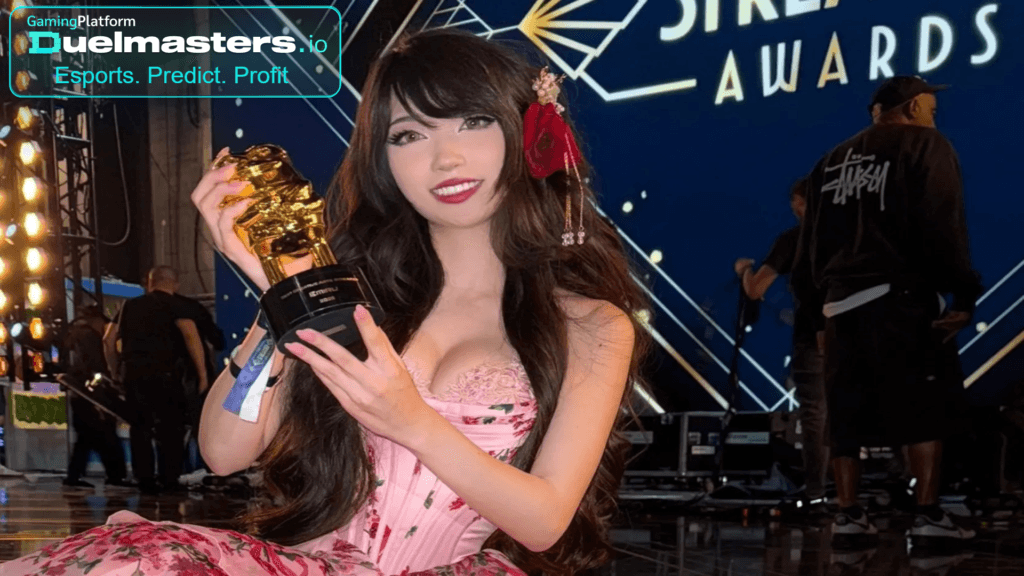
Emiru QSMP 2 Backlash intensified after the streamer joined Quackity’s QSMP 2 and older clips about ICE and politics resurfaced online. The reaction spread quickly because QSMP 2 is being presented as a multilingual, multicultural Minecraft project, so part of the audience immediately started debating whether Emiru was the right fit for that kind of server.
Article content:
- Why This Became A Story So Fast
- What People Are Arguing About
- Why QSMP 2 Makes The Reaction Stronger
- What This Means For Streamer Culture
- Why Duelmasters Fits Into This Broader Shift
- Final Take
Why This Became A Story So Fast
The backlash did not come from the server reveal alone. It accelerated because viewers connected Emiru’s inclusion to an earlier controversy around a viral clip in which she was criticized for how she reacted to a prompt involving ICE. Newsweek reported in February that Emiru later said the clip was misleadingly edited, that the context was cut, and that she generally avoids commenting on politics because she does not see herself as a source of political guidance.
That older explanation matters now because QSMP 2 is not an ordinary creator server. Public descriptions of the project emphasize international collaboration and multiple languages, while Quackity publicly promoted QSMP 2 for March 14, 2026. In that context, even older clips can suddenly look more important to viewers who judge creators by how well they match the identity of a community-driven project.
Duelmasters – The Ultimate Platform for Streamer Betting and Esports Duels
What People Are Arguing About
The criticism appears to split into two clear positions. One group argues that a server built around cultural exchange should be careful about who gets added, especially when immigration-related or political clips are already part of that creator’s public history. Another group argues that the backlash is overstated and based on clipped, decontextualized material rather than a fair reading of Emiru’s full explanation.
That is why this story has more weight than a normal “creator joins server” announcement. It is not only about Emiru. It is about how online communities now evaluate fit, tone, and reputation when a creator enters a project that is tied to identity, language, or inclusivity. In practice, the argument is less about one sentence from one clip and more about what audiences think a server like QSMP 2 is supposed to represent. This is an inference drawn from the nature of the backlash and the way QSMP 2 has been framed publicly.
Why QSMP 2 Makes The Reaction Stronger
QSMP 2 is especially sensitive to this kind of debate because its whole concept is international by design. The available public descriptions say the new version supports ten languages and was announced around a March 14 launch window. That gives the server a much stronger cultural identity than a normal private Minecraft SMP. Once a project is marketed around diversity and cross-language participation, creator selection is judged more critically.
This is also why the backlash spread beyond Emiru’s own audience. People who may not normally follow her still had a reason to engage because the story touched three high-friction topics at once: streamer reputation, politics, and multicultural community standards. For modern creator projects, that combination is enough to turn a roster update into a broader discourse cycle.
Duelmasters – Watch Streamers, Predict Results, and Win Real Rewards Instantly
What This Means For Streamer Culture
The useful takeaway is that creators no longer enter new spaces with a clean slate. Old clips, past comments, and earlier controversies now travel with them, especially when they join a project with a strong public identity. That makes reputation more portable and more fragile at the same time. A creator can gain reach through a new collaboration, but they also inherit a new layer of scrutiny the moment they step into it.
For streamer culture, this means audience expectations are rising. Viewers are no longer judging creators only by entertainment value. They are also judging alignment, tone, and perceived compatibility with the communities those creators join. That shift is one reason why backlash cycles now form faster and hit harder than they did a few years ago. This conclusion is an inference supported by the reporting on the Emiru clip controversy and the reaction to her QSMP 2 addition.
Why Duelmasters Fits Into This Broader Shift
That same demand for clarity helps explain why platforms with a very direct value proposition are easier for gaming audiences to understand. On Duelmasters, the positioning is not vague: the site presents a format where users can bet on streamer games and selected esports matches, follow outcomes live, and engage with gameplay through visible, trackable results. Its own betting pages describe this across esports more broadly and through game-specific examples such as Fortnite, FC 25, and FC 26.
That is why the platform reads clearly. Instead of only watching a streamer, a user can back the outcome of a creator’s game, track what happens in real time, and understand the result without confusion. Duelmasters’ public materials consistently frame the experience around live match tracking, real-money stakes, and streamer-centered participation, which makes the model easy to grasp for both gaming and creator audiences.
Duelmasters – Real-Money Esports Betting on Streamers
Final Take
The Emiru QSMP 2 Backlash became a real news story because it touched a sensitive intersection of old clips, political interpretation, and community identity. Whether the reaction cools down or keeps growing, the main point is already clear: in 2026, joining a high-profile multilingual creator project is no longer just a content move. It is also a reputational test.